4th of July Svg File for Cricut Graphic Review
As a designer who has spent years navigating the intersection of digital graphics and physical thread, I approach every new asset with a critical eye. When I first opened the 4th of July Svg File for Cricut Graphic, my immediate goal was to determine if this was just another generic holiday clipart or a viable asset for a serious craft business. The initial visual impression is vibrant and festive, capturing that classic patriotic energy we all expect from July 4th projects. However, the true test lies not in how it looks on a screen, but in how it translates when converted into a machine embroidery design.
For those of us running small shops or selling on Etsy, the difference between a successful listing and a returned item often comes down to the quality of the underlying graphic. This specific file presents a bold layout that suggests it could work well for a variety of applications, from a simple tote bag design to more complex sweatshirt embroidery. The shapes appear clean, which is promising, but as we move from the digital realm to the hoop, several practical considerations emerge.
Visual Personality and Design Intent
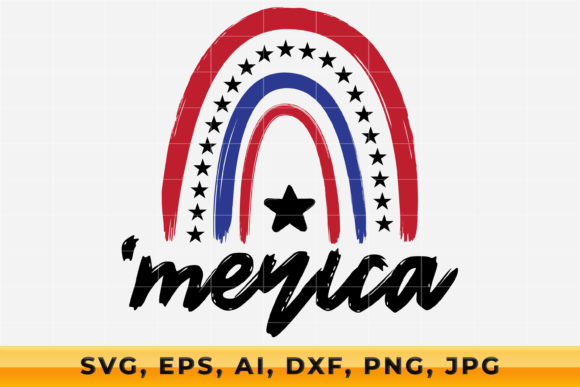
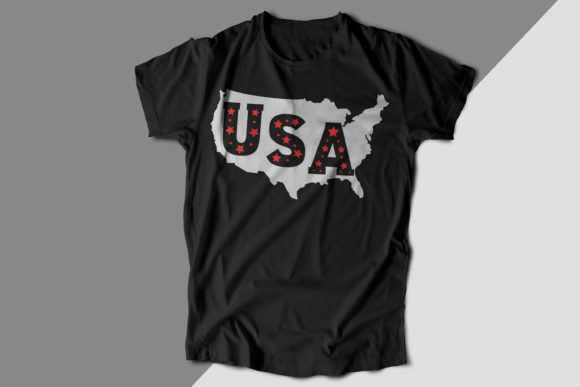
The mood created by the 4th of July Svg File for Cricut Graphic is undeniably celebratory. It leans heavily into traditional Americana aesthetics, likely featuring stars, stripes, or typography that screams "Independence Day." In the context of Crafts and Graphics, this type of imagery is a staple for seasonal collections. However, the level of detail is where the real evaluation begins. If you are planning to use this for custom apparel, you must assess whether the intricate lines will hold up under the pressure of a needle.
I envision this design working exceptionally well on a sturdy canvas tote bag or a heavy cotton apron. These items provide a stable surface that can handle the density required for patriotic motifs. Conversely, using it on thin fabrics like a lightweight summer blouse might lead to puckering or thread breakage. The visual weight of the design feels substantial, suggesting that it would look best as a focal point rather than a subtle accent. For an Etsy seller looking to create a cohesive brand, this graphic offers a strong anchor for a holiday collection, provided the execution matches the ambition of the image.
Real-World Application: From Screen to Stitch
Let’s walk through a realistic scenario. Imagine you are preparing a batch of personalized gifts for a local boutique. You decide to use the 4th of July Svg File for Cricut Graphic to create custom embroidered patches. Before committing to expensive fabric, I always recommend testing the design on scrap material. This step is crucial for understanding how the stitch density behaves.
If the original SVG contains very fine details, converting it to an embroidery file requires careful digitizing. You cannot simply rely on auto-digitizing software to do the heavy lifting. Areas that look crisp in the Jpeg preview might turn into muddy blobs of thread if the stitch count is too high for the available space. For example, if the design includes tiny lettering or delicate star points, these elements may need to be simplified to ensure clarity in the finished product.
When applied to a cap or a curved surface, the design needs to be flexible. A flat graphic might distort when wrapped around a brim. I have seen many holiday embroidery projects fail because the designer did not account for the curvature of the garment. With this specific graphic, I would advise keeping the main elements centralized and avoiding extreme edges that might get lost in the seam allowance or the curve of the hat.
Considerations for Different Fabrics
Fabric texture plays a massive role in how the 4th of July Svg File for Cricut Graphic performs. On a smooth, tight-weave cotton, the fill stitch will lie flat and vibrant. However, on textured fabrics like fleece or denim, the thread might sink slightly, altering the perceived color and sharpness. For baby embroidery items, such as onesies or blankets, softness is paramount. You must ensure that the back of the embroidery does not feel scratchy against sensitive skin. Using a water-soluble stabilizer can help achieve a softer hand feel while maintaining the structural integrity of the design.
Dark fabrics present another challenge. While the patriotic red, white, and blue colors pop beautifully against navy or black, they require significant coverage to avoid showing the background fabric through the threads. This increases the thread colors usage and stitching time. If you are producing commercial embroidery in bulk, these factors directly impact your profit margins. Always compare light and dark fabric backgrounds in your printable mockup before starting production.
Technical Execution and Designer Notes
To get the most out of the 4th of July Svg File for Cricut Graphic, you need to treat it as a foundation rather than a final product. Here are some practical notes for fellow designers:
- Test Hoop Size: Verify that the design fits within your standard hoop dimensions. If the graphic is large, you may need to split it into sections, which can disrupt the flow of the pattern.
- Stitch Density Check: Inspect areas with heavy fill. Too much density can cause the fabric to pucker, especially on stretchy materials like jersey knit used for july 4th tshirt projects.
- Thread Contrast: Ensure the selected thread colors provide enough contrast against the fabric. White thread on grey fabric, for instance, might look dull compared to its appearance on white.
- Stabilizer Selection: Do not skip the stabilizer. For applique design elements or dense fills, a tear-away or cut-away stabilizer is essential to prevent distortion during washing.
- Licensing Verification: Before selling any handmade product or digital derivative, confirm the licensing terms. Just because you downloaded an SVG does not automatically grant commercial rights for finished goods.
One common pitfall is assuming that a design optimized for cutting (like for a Cricut) will translate perfectly to embroidery without modification. Cutting machines follow outlines, while embroidery machines build texture with layers of thread. The running stitch used for outlines in embroidery is different from the vector path in an SVG. You may need to adjust the line weights to ensure the satin stitch borders are thick enough to be visible but not so thick that they bunch up.
Impact on Brand and Customer Perception
Ultimately, the value of the 4th of July Svg File for Cricut Graphic lies in its ability to enhance your brand's reputation. A poorly executed embroidery job can damage customer trust, leading to negative reviews and lost sales. On the other hand, a crisp, professional-looking personalized gift can turn a one-time buyer into a loyal client. When customers see a high-quality embroidered patch or a well-stitched kitchen towel, they associate that quality with your entire shop.
This design has the potential to boost buyer engagement if presented correctly. Use high-resolution photos of the actual stitched items in your listings. Show close-ups of the stitching to demonstrate attention to detail. Highlight how the design holds up after washing, as durability is a key concern for buyers of custom apparel. By being transparent about the process and the quality of the design assets you use, you build credibility in the competitive world of handmade goods.
In conclusion, while the 4th of July Svg File for Cricut Graphic offers a strong starting point for your patriotic collection, it requires thoughtful adaptation for embroidery. Whether you are creating a single holiday gift or stocking a small shop product line, taking the time to test, stabilize, and refine the design will pay off in the quality of your final work. Remember, the magic happens not just in the download, but in the hands of the maker who brings the thread to life.