Funny Svg Cutting File 30: A Designer's Review
As a designer who has spent years translating digital concepts into tangible stitched goods, I approach every new asset with a critical eye. When I first opened the Funny Svg Cutting File 30, my immediate goal was to determine if this digital graphic could survive the transition from screen to fabric. In the world of Crafts, the gap between a pretty image on a monitor and a durable, professional-looking finished product is often where projects fail. This review breaks down how this specific file performs when we move beyond simple cutting and look at its potential for real-world application, including embroidery adaptation.
First Impressions: Visual Personality and Layout
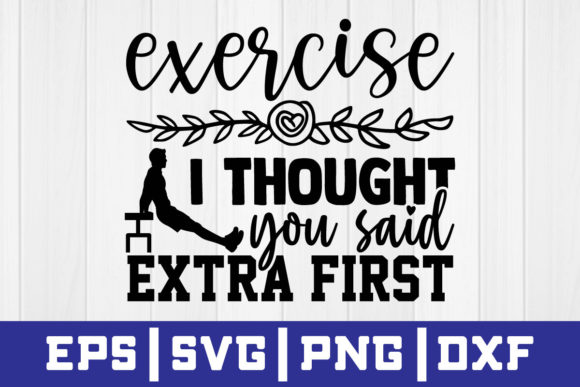
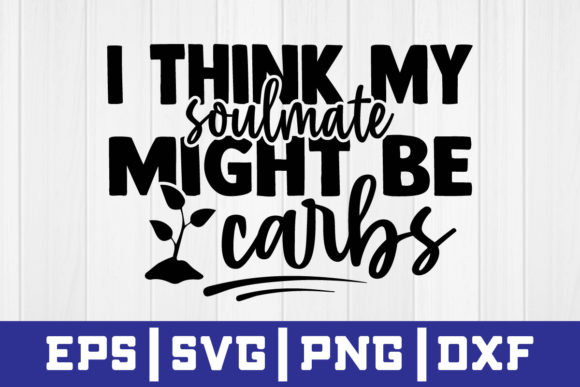
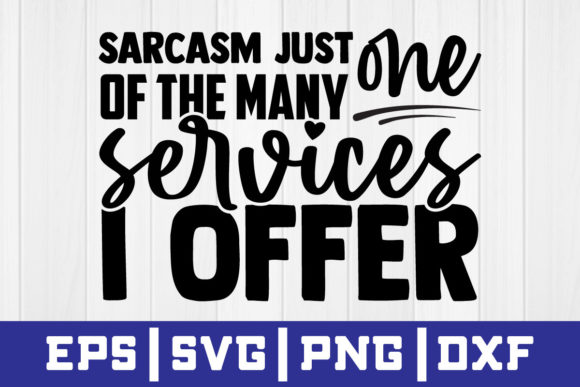
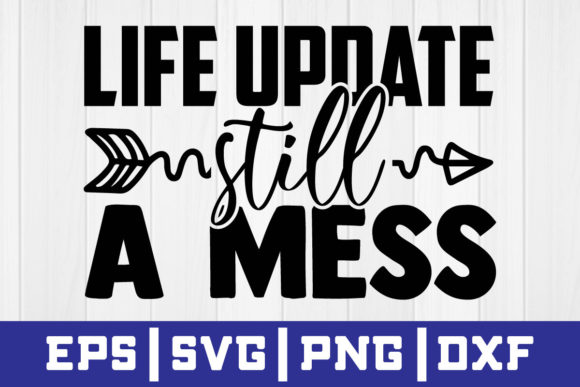
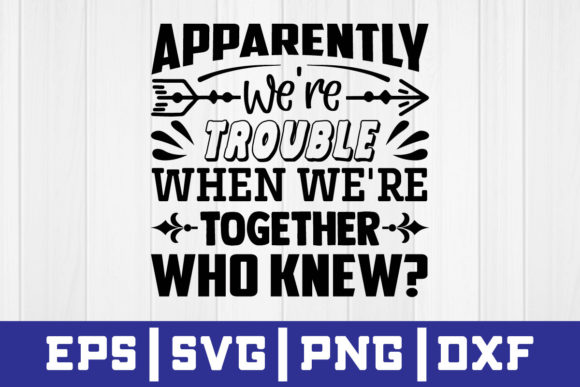
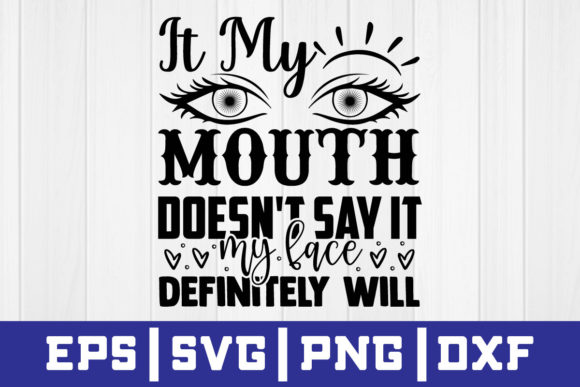
The initial view of Funny Svg Cutting File 30 suggests a playful, high-energy aesthetic. The layout relies on bold shapes and clear lines, which are essential characteristics for any design intended for physical production. Unlike overly intricate illustrations that get lost in translation, this file maintains a strong silhouette. For an Etsy seller or a small shop owner, visual clarity is non-negotiable. If a customer cannot instantly recognize the "funny" element of the design from three feet away, the handmade product loses its impact.
The mood created by these graphics is lighthearted and accessible. It feels perfectly suited for custom apparel meant to spark conversation. However, as a reviewer, I must note that while the vector lines are clean, the complexity of the internal details varies across the four included files. Some elements are simple outlines, while others contain denser patterns. This variation dictates exactly where you should place your stitching efforts. A design that looks great as a vinyl cut might require significant modification to work effectively as a machine embroidery design.
Real-World Application: From Digital to Stitched
Let’s imagine a specific scenario: You are preparing a batch of custom embroidered tote bags for a local craft fair. You decide to use one of the motifs from Funny Svg Cutting File 30. The challenge here is not just printing the design, but ensuring it translates well into thread. When adapting this digital artwork for embroidery, the bold lines of the SVG become your roadmap for satin stitch borders, while the larger filled areas are candidates for fill stitch.
In a practical test, I visualized this design on a heavy canvas tote bag. The thick lines held up well mentally, suggesting they would create a crisp outline even on textured fabric. However, if you were to attempt this same design on a thin baby embroidery project, such as a onesie, the density of the fill stitches might cause puckering. This is a common pitfall when using general-purpose graphics without adjusting them for specific stitch density. The embroidery file derived from this SVG would need careful digitizing to ensure the needle doesn't over-penetrate delicate cotton.
For apparel decorators working on sweatshirts, the scale of Funny Svg Cutting File 30 works in your favor. Sweatshirt fleece provides a forgiving surface for slightly denser stitching. Imagine a winter hoodie featuring this graphic; the contrast of bright thread colors against a dark grey background would make the "funny" aspect pop. This is ideal for holiday embroidery or seasonal merchandise where visibility is key. The design assets provided allow for flexibility, meaning you can resize the main elements to fit a chest pocket or expand them for a full-back print.
Strategic Use Cases for Small Businesses
- Personalized Gifts: The humor inherent in the design makes it perfect for gag gifts or birthday presents. A personalized cap or apron featuring this art adds a unique touch that mass-produced items lack.
- Boutique Branding: Small shop owners can use these graphics to create cohesive branding for their packaging tags or promotional tote bag designs.
- Commercial Embroidery: While intended for cutting, the clean vectors can be adapted for logo patches, provided the licensing allows for commercial resale of the finished item.
Navigating Challenges: Where Caution Is Needed
Despite its strengths, Funny Svg Cutting File 30 is not a magic bullet for every situation. There are specific scenarios where this design requires extra caution. First, consider the hoop size. If you are working with a standard 4x4 hoop, some of the wider layouts in this set might be too large, forcing you to split the design. Splitting a design risks misalignment, which can ruin the visual appeal of the final piece.
Texture is another major factor. On highly textured fabrics like terry cloth (common for kitchen towels) or slub cotton, fine details within the SVG may disappear under the fabric weave. In these cases, you must simplify the design, perhaps removing tiny inner details that would result in broken running stitch lines. Similarly, on stretchy fabrics like jersey knit, dense areas of fill stitch can restrict the fabric's movement, leading to distortion. Always check how the design interacts with the material before committing to a full run.
Dark fabrics present their own challenges. While the design looks sharp on white, applying it to black or navy blue requires a backing layer or a different color strategy. If you are creating a printed mockup to sell the design idea, ensure you show how it looks on both light and dark backgrounds. Customer trust relies on accurate representation; if the actual embroidered patch looks muddy because the thread wasn't chosen correctly for the background, your reputation suffers.
Practical Notes for the Professional Maker
Before integrating Funny Svg Cutting File 30 into your workflow, follow these essential steps to ensure quality:
- Test on Scrap Fabric: Never skip this step. Run a test stitch on the exact fabric you plan to use. Check for puckering, thread tension issues, and alignment.
- Review Thread Color Contrast: Ensure the thread colors you select provide enough contrast against the fabric. A low-contrast design can look amateurish, regardless of how good the original graphic is.
- Confirm Stabilizer Needs: Depending on the density of the converted embroidery file, you may need a tear-away or cut-away stabilizer to support the stitches, especially on stretchy materials.
- Inspect Small Details: Zoom in on the smallest elements of the SVG. If a letter or line is thinner than the width of your needle, it will likely stitch poorly. Modify these areas in your digitizing software.
- Verify Licensing: Since this listing includes four files for use in Cricut Design Space and Silhouette Studio, double-check the terms regarding commercial embroidery. Can you sell the finished stitched items? Can you resell the digital file itself? Understanding these limits protects your business.
Final Verdict: Value for the Creative Entrepreneur
Funny Svg Cutting File 30 offers a solid foundation for creators looking to add personality to their product lines. Its strength lies in its versatility and clear visual language. For the craft business owner, it represents a cost-effective way to source fresh imagery without commissioning custom art. However, its success depends entirely on your ability to adapt it correctly for your medium.
If you treat this as more than just a cut file—if you think critically about how it translates into thread, how it sits on different fabrics, and how it enhances the value of your personalized gift—it becomes a powerful tool. Whether you are making a single pillow cover for a friend or producing a line of small shop products, the key is preparation. By testing thoroughly and respecting the limitations of your materials, you can turn these digital graphics into high-quality, professional-grade textile art that customers will love.