Mamas Little Boo: A Designer's Real-World Review
As a designer who has spent years turning digital graphics into tangible stitched goods, I approach every new file with a mix of excitement and skepticism. The market is flooded with machine embroidery design assets that look perfect on a screen but fall apart under the needle. When I first opened the Mamas Little Boo file, my immediate goal was to determine if this Halloween-themed graphic could survive the transition from a crisp SVG vector to a textured, thread-based reality. This isn't just about downloading a file; it is about understanding how the design breathes when applied to fabric.
The First Impression: Mood and Visual Weight
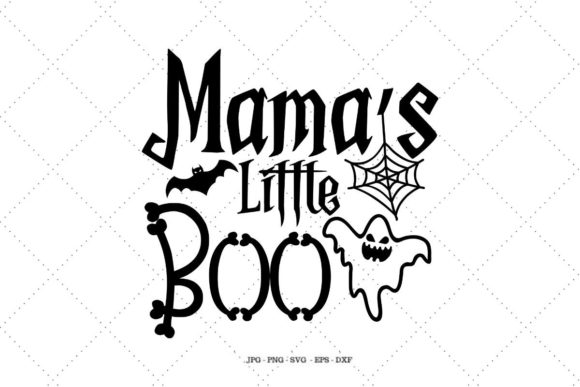
The concept behind Mamas Little Boo is straightforward yet effective for the season. It captures that playful, slightly spooky energy that parents love for their children during trick-or-treat season. Visually, the layout feels balanced, avoiding the common pitfall of overcrowding text with imagery. In the realm of Crafts and Graphics, simplicity often wins because it translates better to stitching. However, as an experienced reviewer, I immediately started mentally mapping out the stitch types. Where would the satin stitch work best for the outlines? Which areas need a dense fill stitch to prevent show-through on darker fabrics?
The character design has a distinct personality that suggests it belongs on soft, cozy items rather than stiff, formal wear. It feels like a design meant to be hugged, worn on a favorite hoodie, or displayed proudly on a nursery door. The visual weight is distributed in a way that suggests stability, which is crucial when you are considering how the design will sit on a curved surface like a cap or the chest of a sweatshirt.
Testing the Waters: A Real-World Scenario
To truly evaluate Mamas Little Boo, I imagined a specific project: creating a limited run of custom embroidered tote bags for a local boutique owner preparing for October sales. Tote bags are tricky; the canvas can be thick, and the fabric grain often runs diagonally, causing distortion if the stabilizer isn't chosen correctly. If I were using this design for a tote bag design, I would first test it on a scrap piece of the exact canvas material.
In this scenario, the "Mama" portion of the text needs to remain legible even after multiple washes. If the lettering is too thin, the running stitch might not provide enough coverage, leading to gaps where the fabric shows through. Conversely, if the ghostly elements are too detailed, they might get lost in the texture of the canvas. My instinct is that this design works exceptionally well on medium-weight cotton or fleece, where the thread sits nicely on top of the fibers without sinking in. For a sweatshirt embroidery project, the softness of the fabric complements the whimsical nature of the design, making it a top contender for a personalized gift.
Navigating Fabric Challenges and Stitch Density
Every embroidery file comes with its own set of challenges regarding fabric texture and hoop size. With Mamas Little Boo, I would exercise caution when working with very thin or stretchy fabrics. The density required to make the ghost figure pop could cause puckering on lightweight jersey or silk blends. If you plan to use this for baby embroidery on delicate onesies, ensure you have a high-quality cut-away stabilizer ready. The stabilizer acts as the foundation, holding the fabric taut so the needle doesn't drag the material out of shape.
Another critical consideration is the hoop size. While the file description mentions it is an SVG for cutting machines, converting it to an embroidery project requires ensuring the dimensions fit within your machine's maximum hoop area. If the design is large, attempting to stitch it in one go on a small home machine might result in registration errors. Breaking the design into sections or scaling it down appropriately is essential. Additionally, if you are applying this to dark fabrics, the thread colors must offer high contrast. A light-colored ghost on a black background requires precise fill stitch settings to avoid showing the dark fabric underneath.
Commercial Viability for Small Business Owners
For the Etsy seller or the small shop product creator, the value of Mamas Little Boo lies in its seasonal appeal and broad demographic reach. Parents are always looking for unique holiday embroidery options that aren't generic. This design offers a narrative element—"Mama's little boo"—that resonates emotionally, increasing the likelihood of a sale. However, before listing these items, you must confirm the licensing terms. Can you sell the finished product? Can you sell the digital file itself? Understanding the difference between personal and commercial embroidery rights is non-negotiable for protecting your business.
When creating printable mockup images for your online store, pay attention to how the design looks in different lighting. The texture of the thread adds depth that a flat image cannot fully capture. Showing close-up photos of the actual finished product builds customer trust. Buyers want to see the quality of the stitch density and the neatness of the edges. If the design includes fine details, ensure your photos highlight that the stitching is clean and not tangled.
Practical Designer Notes for Success
- Test on Scrap Fabric: Never skip the test run. Stitch Mamas Little Boo on a piece of the actual fabric you intend to use to check for puckering and color bleed.
- Check Thread Contrast: Ensure the thread colors stand out against the background. On dark garments, consider using a white underlay to make the colors vibrant.
- Inspect Small Details: Zoom in on the design to ensure tiny elements won't get lost in the weave of the fabric. Simplify if necessary.
- Use Proper Stabilizer: Match the stabilizer to the fabric weight. Heavy fabrics need heavy stabilizers to support the fill stitch areas.
- Verify Licensing: Confirm that the license allows for selling finished handmade products before you invest time and materials.
- Consider the Hoop: Ensure the design fits comfortably within your machine's hoop without stretching the fabric excessively.
Final Thoughts on Design Assets
Ultimately, Mamas Little Boo represents a solid addition to any designer's library of design assets. It strikes a balance between cute and spooky, making it versatile for various applications from custom apparel to embroidered patches. Its success, however, depends entirely on the execution. By paying attention to fabric choice, stabilizer usage, and stitch settings, you can transform this digital graphic into a high-quality, professional-looking item that customers will cherish.
Whether you are a hobbyist creating gifts for family or a professional decorator running a busy craft business, the key is to respect the limitations of the medium. Embroidery is an art form that requires patience and technical skill. Mamas Little Boo provides a great canvas for that creativity, but it is up to you to bring it to life with precision. As we move into the peak of Halloween crafting season, designs like this remind us why we love what we do: turning simple ideas into lasting memories, one stitch at a time.