Sarcastic She Believed She Could but Was Really Tired Review
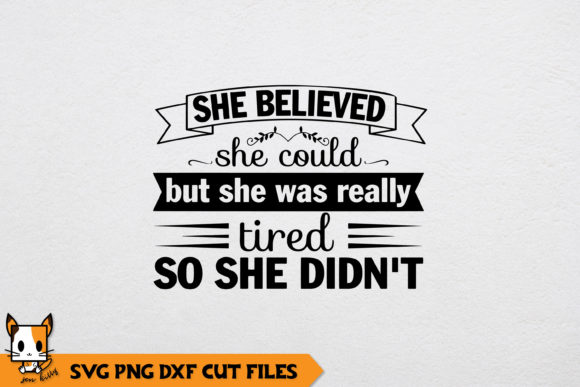
As a designer who has spent years translating digital files into tangible stitched goods, I approach every new asset with a critical eye. The market is flooded with generic phrases, but Sarcastic She Believed She Could but Was Really Tired immediately caught my attention for its relatable humor and potential in the modern craft business. When reviewing a design intended for real-world application, the question is never just about how it looks on a screen, but how it translates to thread, fabric, and the hands of a customer holding the finished product.
This specific graphic falls squarely into the realm of witty, lifestyle-oriented Graphics. It captures a mood that resonates deeply with busy parents, overworked professionals, and anyone navigating the chaos of daily life. In my studio, when I pull up this file to test it against a potential project, the first thing I notice is the layout. The phrase is long, which presents an interesting challenge for embroidery placement. Unlike short slogans that can sit comfortably on a chest pocket or a hat brim, this text requires a more strategic approach to ensure readability and visual balance.
Visual Impact and Design Personality
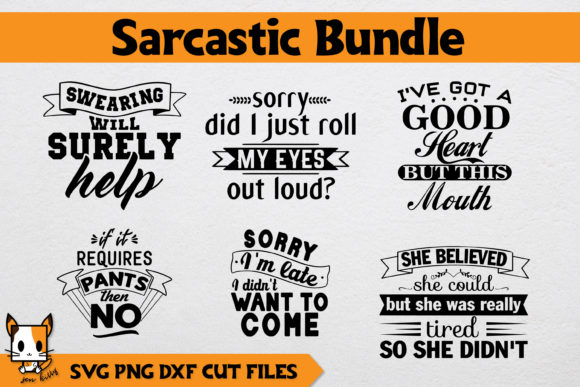
The personality of Sarcastic She Believed She Could but Was Really Tired is bold and unapologetic. Visually, the design relies heavily on typography to convey its message. For an embroidery project, this means the choice of font weight and style will dictate the success of the stitch-out. If the file uses thin lines or intricate serifs, they may struggle with fill stitch density, potentially leading to gaps or thread breakage during production. However, if the design utilizes a chunky, sans-serif typeface, it becomes a robust candidate for custom apparel.
I recently considered using this design for a batch of personalized tote bags intended for a local boutique client. The concept was to create a line of "Real Talk" accessories for teachers and nurses. In this context, the sarcasm adds a layer of authenticity that customers appreciate. A tote bag design featuring this phrase would likely perform well because the canvas is large enough to accommodate the full sentence without crowding. The humor serves as a conversation starter, increasing the perceived value of the handmade product beyond just a functional item.
Practical Application in Real Projects
When moving from the digital workspace to the machine, practical considerations take center stage. This design is versatile enough for various applications, but not all surfaces are created equal. For sweatshirt embroidery, the heavier cotton blend provides a stable base for the text. The slight texture of the fleece can actually help mask minor imperfections in the stitch density, making it a forgiving fabric choice for this lengthier phrase.
However, attempting this on a standard baseball cap requires caution. Curved surfaces distort text, and wrapping a long sentence around a cap's dome can make the words difficult to read. Unless the design is specifically engineered with a curved path in mind, I would advise against using Sarcastic She Believed She Could but Was Really Tired on caps unless you are willing to manually adjust the letter spacing and curvature in your digitizing software. Similarly, baby embroidery might be too delicate for such a cynical message, though some parents might find the irony amusing for a toddler's outfit.
For commercial embroidery clients looking to brand their small shop products, this design offers a unique angle. Imagine an apron for a coffee shop or a kitchen towel for a home goods store. The embroidered patch version could also be a hit, allowing customers to sew the design onto existing jackets or backpacks. The key here is ensuring the thread colors contrast sharply with the background fabric. A dark gray or navy sweatshirt with white or cream stitching would highlight the text effectively, whereas a light beige background might cause the words to disappear visually.
Navigating Technical Challenges
Every experienced designer knows that long text strings are prone to alignment issues. With Sarcastic She Believed She Could but Was Really Tired, the risk of the text appearing cramped is real if the hoop size is too small. Before committing to a final run, I always recommend testing the design on scrap fabric first. This allows you to inspect the running stitch quality along the edges of the letters and check for any pulling or puckering in the center of the fill areas.
Fabric texture plays a significant role in how this design lands. On textured fabrics like denim or canvas, the stabilizer choice becomes critical. Without adequate backing, the needle may skip, or the fabric may pucker around the dense text areas. For stretchy materials, such as jersey knit t-shirts, a tear-away stabilizer might not provide enough support; a cut-away option is usually safer to maintain the integrity of the shape after washing.
Another consideration is the frequency of washing. Items like tea towels or aprons endure rigorous cleaning cycles. If the machine embroidery design has high stitch density in certain areas, the thread may stiffen over time, affecting the drape of the fabric. Testing the durability of the stitch-out after several washes is a smart move for any Etsy seller planning to sell these items as part of a permanent inventory.
Strategic Advice for Craft Business Owners
For those running a craft business, understanding the licensing and file formats is paramount. The product description mentions SVG, PNG, and DXF files, which are excellent for cutting machines like Cricut or Silhouette. However, if your goal is actual stitching, you must verify if an editable digital embroidery file (such as PES, DST, or EXP) is included. Using an SVG directly on an embroidery machine without proper conversion often results in poor stitch definition.
If you are creating printable mockups to showcase the design before selling physical items, ensure the lighting and angles accurately represent how the text will look in three dimensions. Customers need to see the depth of the satin stitch and the texture of the fill stitch to trust the quality of the finished product. Transparency builds customer trust, especially in the competitive world of handmade goods.
Ultimately, Sarcastic She Believed She Could but Was Really Tired is a strong contender for holiday gifts, personalized gifts, and boutique merchandise. Its appeal lies in its honesty and humor. By carefully selecting the right fabric, stabilizer, and placement, designers can turn this witty phrase into a high-quality, professional-looking piece of art. Whether you are a hobbyist adding a touch of fun to a friend's shirt or a small shop owner expanding your catalog, this design offers plenty of creative potential—provided you respect the technical nuances of turning pixels into threads.