Welcome-ish: A Designer's Review for Real Embroidery Projects
As a designer who has spent years translating digital files into tangible stitched goods, I approach every new asset with a critical eye. The market is flooded with generic graphics, but finding a design that balances personality with technical viability is rare. When I first opened the Welcome-ish file, I wasn't just looking at a shape; I was visualizing how it would behave under a needle. This isn't merely a round front door sign or a simple cut file; it is a statement piece that demands careful consideration before hitting the "start" button on your embroidery machine.
The First Impression: Mood and Visual Personality
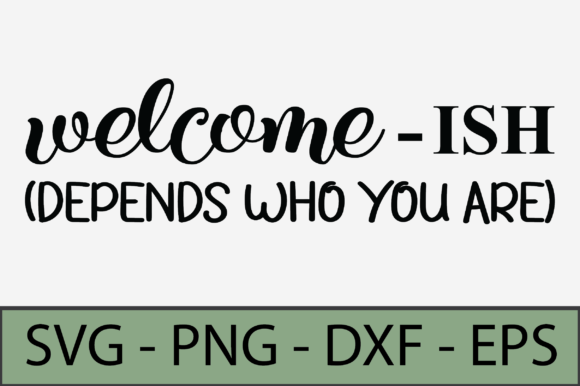
The concept behind Welcome-ish is immediately clear. It captures a specific, relatable mood—the kind of humor that feels authentic rather than forced. In the world of Crafts, designs often lean too heavily into the overly cute or the aggressively bold. This design finds a sweet spot. The typography and layout suggest a playful nod to modern life, making it an excellent candidate for custom apparel or home decor that speaks to a younger demographic or those with a dry sense of humor.
Visually, the graphic is clean. For an embroidery project, clean lines are crucial. Complex gradients and microscopic details often get lost in translation when converted from vector to stitch. Welcome-ish appears to have a strong silhouette, which is a green flag for digitization. Whether you are planning a tote bag design or a patch for a denim jacket, the visual weight seems balanced enough to hold its own without overwhelming the fabric texture.
Real-World Application: From File to Finished Product
Let's talk about a real scenario. Imagine you are preparing a batch of personalized gifts for a holiday craft fair. You have ordered high-quality organic cotton tote bags and want to create something that stands out from the typical floral patterns. You load the Welcome-ish machine embroidery design into your software. The first thing I notice is the potential for a fun contrast between the casual message and a premium material.
If you were to apply this to a sweatshirt embroidery project, the rounded nature of the sign format works beautifully on the chest area. It avoids the sharp corners that can sometimes snag or pucker on heavy fleece. However, the success here depends entirely on your choice of thread colors. A stark white thread on a charcoal grey sweatshirt would make the text pop, creating a professional look suitable for a boutique shop product. Conversely, using a pastel thread on a light heather grey might result in low contrast, reducing the readability of the "Welcome-ish" message.
I also see strong potential for this as an embroidered patch. Because the design is self-contained within a round or defined shape, it translates well to backing felt or twill. Small business owners could use these patches to add a unique touch to hats or backpacks, turning a standard accessory into a conversation starter. For the Etsy seller, this versatility is key. One digital file can become three different revenue streams: a direct garment application, a standalone patch, or even a printable mockup for selling the design itself as a digital product.
Navigating Fabric and Hoop Challenges
While the design is promising, experienced designers know that not all fabrics play nice with every pattern. If you plan to use Welcome-ish on stretchy knits or thin jersey materials, you must be cautious. The density of the fill stitch in the lettering could cause the fabric to pucker if the wrong stabilizer is used. I always recommend testing the design on scrap fabric first. This simple step saves hours of frustration and wasted thread.
Another critical factor is the hoop size. While the description suggests it fits various uses, you need to verify the actual dimensions against your machine's capabilities. If the design is too large for your hoop, you will have to split it, which introduces alignment risks. Misaligned text ruins the joke. Ensure your embroidery file fits comfortably within your largest hoop to maintain the integrity of the layout.
Texture also plays a role. On a nubby linen tea towel or a thick canvas apron, the fill stitch might settle differently than on smooth cotton. The stitch density needs to be checked to ensure the thread penetrates the fibers without leaving gaps or creating a stiff, plastic-like feel. For products that require frequent washing, such as kitchen towels or baby clothes, the durability of the stitching becomes paramount. A loose running stitch outline might unravel over time, so reinforcing the edges is a smart move during the digitization process.
Strategic Advice for Commercial Success
For those running a craft business or managing a handmade product line, the value of Welcome-ish lies in its ability to connect emotionally with buyers. It feels human. In a sea of mass-produced items, a design with personality builds customer trust and brand consistency. When a client sees a finished product with this design, they aren't just buying a shirt; they are buying a vibe.
However, before you list these items for sale, you must confirm the licensing terms. Just because a file is labeled as perfect for DIY projects doesn't automatically grant commercial rights for unlimited sales. Always check the license agreement regarding commercial embroidery and the sale of finished goods. Some licenses restrict the number of items you can sell or prohibit reselling the digital embroidery file itself.
When presenting these items in your shop, consider how you showcase them. High-quality photos are non-negotiable. Use a printable mockup to visualize the final look before committing to production. Test the design in black and white to ensure the contrast holds up, then experiment with color palettes that align with your brand identity. Whether it's a nursery item for a kid or a humorous gift for an adult, the presentation must match the quality of the stitching.
Final Thoughts on Design Viability
Welcome-ish is more than just a funny SVG cut file; it is a versatile asset for the creative entrepreneur. Its strength lies in its simplicity and relatable theme, making it adaptable for holiday embroidery, personalized gifts, and small shop merchandise. But like any good tool, it requires skill to wield effectively.
My recommendation is to treat this design with respect. Do not rush the setup. Check your stabilizer, test your tension, and verify your hoop placement. If you take the time to ensure the technical execution matches the creative intent, the result will be a finished product that delights customers and elevates your brand. For the serious maker, this is the kind of design asset that turns a simple embroidery project into a standout piece of wearable art.