4th of July Svg, America Flag Svg Review
As a designer who has spent years turning digital files into tangible stitched goods, I approach every new asset with a mix of excitement and skepticism. The market is flooded with Graphics that look perfect on a screen but fall apart under the needle. Today, I am putting the 4th of July Svg, America Flag Svg through its paces to see if it holds up for real-world commercial embroidery projects or if it belongs in the "do not use" pile.
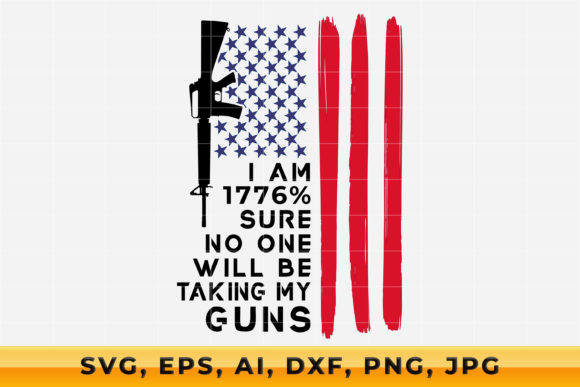
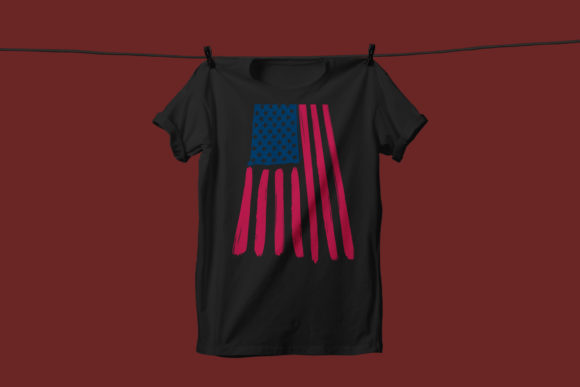
When I first opened the file, the immediate impression was one of classic patriotism mixed with modern vector cleanliness. This isn't just another generic flag; the layout suggests a design built with versatility in mind. For those of us running a small shop product line or preparing holiday inventory, the visual personality here screams "custom apparel." It feels like a design that could easily transition from a simple t-shirt graphic to a more complex embroidered patch without losing its identity.
From Screen to Stitch: A Real-World Test Scenario
To truly evaluate this machine embroidery design, I imagined a specific client request: a boutique owner needing a limited run of personalized tote bags for an upcoming Independence Day craft fair. The goal was a high-quality, durable item that customers would want to carry all summer long. Using the 4th of July Svg, America Flag Svg as the base, I began planning the digitization process in my head.
The shape of the design is robust, which is crucial for tote bag design. Unlike delicate floral motifs that can get lost in canvas weave, the bold lines of this American flag concept suggest it will pop against the textured fabric. However, the devil is always in the details. When converting a vector SVG into an actual embroidery file, the challenge lies in managing the stitch density. If the stars or stripes are too dense, the fabric will pucker, ruining the professional finish. If they are too sparse, the colors will bleed through, making the finished product look cheap.
In this scenario, I would likely treat the main flag elements as a fill stitch area, ensuring the thread coverage is solid enough to block out the background fabric. The outlines, however, would benefit from a crisp satin stitch to define the edges. This combination creates depth and texture, elevating the item from a basic souvenir to a premium handmade gift. The 4th of July Svg, America Flag Svg provides a strong foundation for this, but the final quality depends entirely on how well the digitizer respects the original vector paths.
Navigating Fabric Challenges and Design Limitations
While the potential is high, experienced designers know that no single digital embroidery file works perfectly everywhere. There are specific situations where you must exercise caution with this particular asset. For instance, attempting to use this design on stretchy fabrics like jersey knit requires careful consideration. Without the right stabilizer, the tension of the stitches can cause the fabric to warp, distorting the straight lines of the flag.
I also advise against using this design on very thin materials unless you are prepared to do significant backing work. The weight of the thread needed to make the red, white, and blue stand out can overwhelm lightweight cotton or linen. Furthermore, if you are considering this for curved surfaces like caps or hats, you need to check the curvature of the design elements. Sharp angles in the vector might translate poorly to a rounded surface, leading to skipped stitches or thread breakage.
Another critical area is small hoop sizes. While the 4th of July Svg, America Flag Svg looks great at full scale, shrinking it down for a baby onesie or a small patch can be risky. Tiny lettering or intricate star points often disappear when scaled down, resulting in a muddy mess rather than a clear image. Always test the design on scrap fabric first to ensure the smallest details remain legible after stitching. If the hoop size forces you to reduce the design below a certain threshold, it is better to choose a simpler variant.
Commercial Viability and Brand Consistency
For the Etsy seller or the creative entrepreneur looking to expand their catalog, the value of this design goes beyond aesthetics; it is about brand consistency and customer trust. A well-executed holiday embroidery project signals quality. When a customer buys a personalized gift featuring a clean, sharp flag design, they associate that quality with your brand. Conversely, a poorly stitched version with uneven thread tension or visible gaps can damage your reputation.
This is why understanding the thread colors and their interaction with the fabric texture is vital. On dark fabrics, the white elements of the flag need to be particularly dense to prevent the black or navy background from showing through. You might need to adjust the underlay settings significantly compared to using it on a light-colored sweatshirt. The 4th of July Svg, America Flag Svg offers the flexibility to adapt, but it demands attention to these technical nuances.
Furthermore, consider the longevity of the product. Items like kitchen towels, aprons, and pillow covers undergo frequent washing. The design must be secure enough to withstand agitation without fraying. A proper running stitch around the perimeter of the design can help lock everything in place, ensuring the handmade product remains beautiful wash after wash. This level of care separates hobbyist work from professional commercial embroidery.
Practical Notes for the Designer
If you decide to incorporate the 4th of July Svg, America Flag Svg into your workflow, keep these practical notes in mind to ensure success:
- Test First: Never skip the test run on a scrap piece of the actual fabric you intend to use. Check for puckering and thread breaks.
- Check Licensing: Before selling any finished product or digital files, confirm the licensing terms. Ensure you have the right to use this Crafts asset for commercial purposes.
- Mockup Strategy: Create both light and dark printable mockup versions to show customers how the design adapts to different backgrounds. This boosts buyer engagement and reduces returns.
- Stabilizer Selection: Match your stabilizer to the fabric weight. Heavyweight items need tear-away or cut-away stabilizers, while delicate items may require water-soluble options.
- Detail Inspection: Zoom in on the vector file to inspect tiny corners and intersections. These areas are prone to thread bunching during the stitching process.
Ultimately, the 4th of July Svg, America Flag Svg is a versatile tool in a designer's arsenal. It captures the spirit of the season with a clean, professional aesthetic that appeals to a wide range of customers. Whether you are creating a custom sweatshirt for a local team, a decorative pillow cover for a home decor shop, or a batch of embroidered patches for a craft fair, this design has the potential to deliver excellent results. However, like any good design asset, its success relies on the skill of the maker. By respecting the technical requirements of machine embroidery and testing thoroughly, you can turn this digital file into a high-value, cherished item that stands the test of time.